Creating change ethically…how would you do it?
One thing in Germany surprised me...
(PSA: This is a long email)
Sustainable agriculture is the best way forward for food, I firmly believe that, but how do we change agriculture without hurting our existing farmers?
I expected to be fully on board with all the sustainability laws Germany has in place. But then I spoke with the pig farmers...
They discussed how ONE LAW will push many German farmers out of pig farming by 2030.
A revision in 2021 to the Animal Welfare Ordinance for Livestock Husbandry introduced new limits on the amount of time a sow (female pig) can be confined in farrowing crates, gestation crates, and any sort of stall or pen. Existing operations have until 2030 to comply and become cage free.
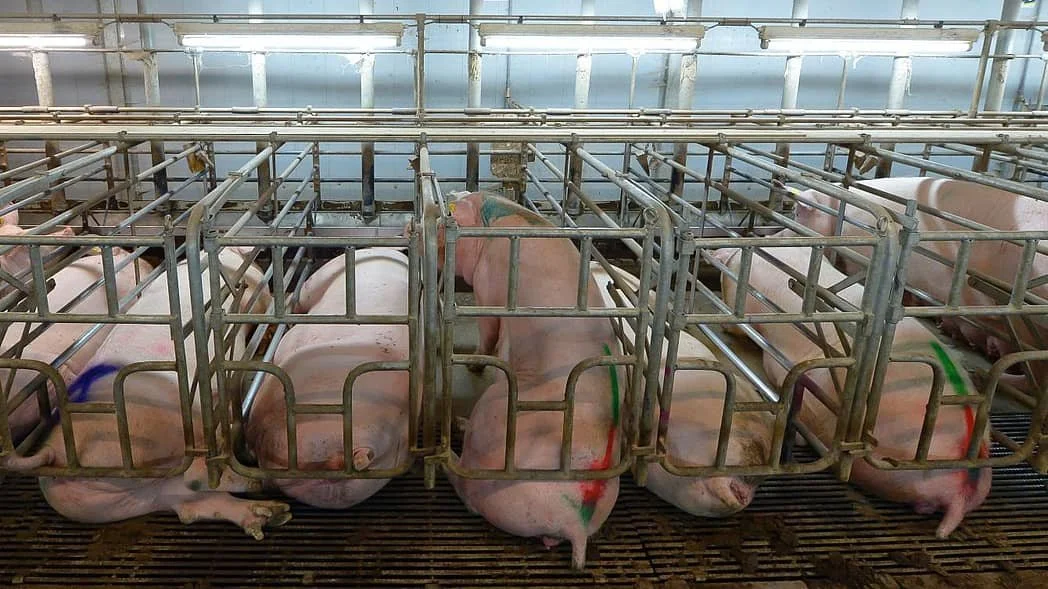
Gestation and farrowing crates feel cruel, wouldn’t we all be happy to see them go? But the German farmers shared some important nuance that makes for a really interesting cautionary tale.
In completely changing to cage free sow farming, German farmers will need to do several things
Increase their barn space
Cage free = more space per animal but there is very little available land in Germany. Buying more land or increasing barn size is difficult and costly. However, if they opt to not increase space, farmers will need to decrease the number of animals they raise to meet regulations.
Overhaul their existing barns
Transitioning to group housing requires changing infrastructure. Any remodel is expensive, but imagine remodeling enough space for several thousand hogs.
Reestablish their market
After all this, those same farmers will likely see a drop in revenue. When surveyed, customers will almost always ask for higher welfare standards in animal farming. However, consumer behavior at the store shelf continues to show that customers are most likely to purchase cheaper products over products with higher animal welfare certifications that are consequently also higher priced.
As a result, farmers wishing to continue in hog farming in Germany will incur the cost of increasing space and updating infrastructure but then lose revenue while they adjust markets.
There is no cost assistance.
Germany is going to lose farmers by 2030.
With consolidation already concentrating farming into the hands of fewer and fewer companies, farmer loss is not good.
How did this come about?
According to the Germans in our group, the revisions to the animal welfare laws were enacted at the behest of well meaning animal rights groups...but without consulting farmers.
Forcing changes on principle alone, without working with the actual people who understand the system or providing assistance will never produce good, lasting change.
Farmers care about their animals. Give them a way to give their animals better animal welfare and they will adjust, but they won't sink their business to do it.
The whole experience has had me contemplating several things. Agriculture in the U.S. desperately needs to change, but how do we implement those changes without bankrupting every farmer in the process? How can we find ways to offset costs so more farmers can improve sustainability and animal welfare? How can we include farmers in regulatory conversations?
So many interesting and important questions, no clear answers, all from 5 days in Germany.
We start another meeting in North Carolina next week to continue our German/American farmer conversations and I can't wait for more.
I'd love to hear your thoughts.
Germany is forcing change through regulation, is it better to lead with regulation or let changes happen at the speed of customer demand? How would you try to shift farmers into cage-free farming?
Let me know what you think.
See you at the market!
-Ellen